
Stop Backups Before They Flood Your Property
Septic Tank Pumping in Ulm for properties with slow drains, foul odors, or overdue maintenance schedules
Flush Away Septic Service handles septic tank pumping in Ulm for residential homes, commercial properties, and rural systems that depend on functioning waste removal. You need this service when solid waste and sludge build up to levels that interfere with drainage, create odor problems, or risk backup into your building. Most systems require pumping every three to five years depending on household size, water usage, and tank capacity, but properties with heavy use or undersized tanks may need more frequent service.
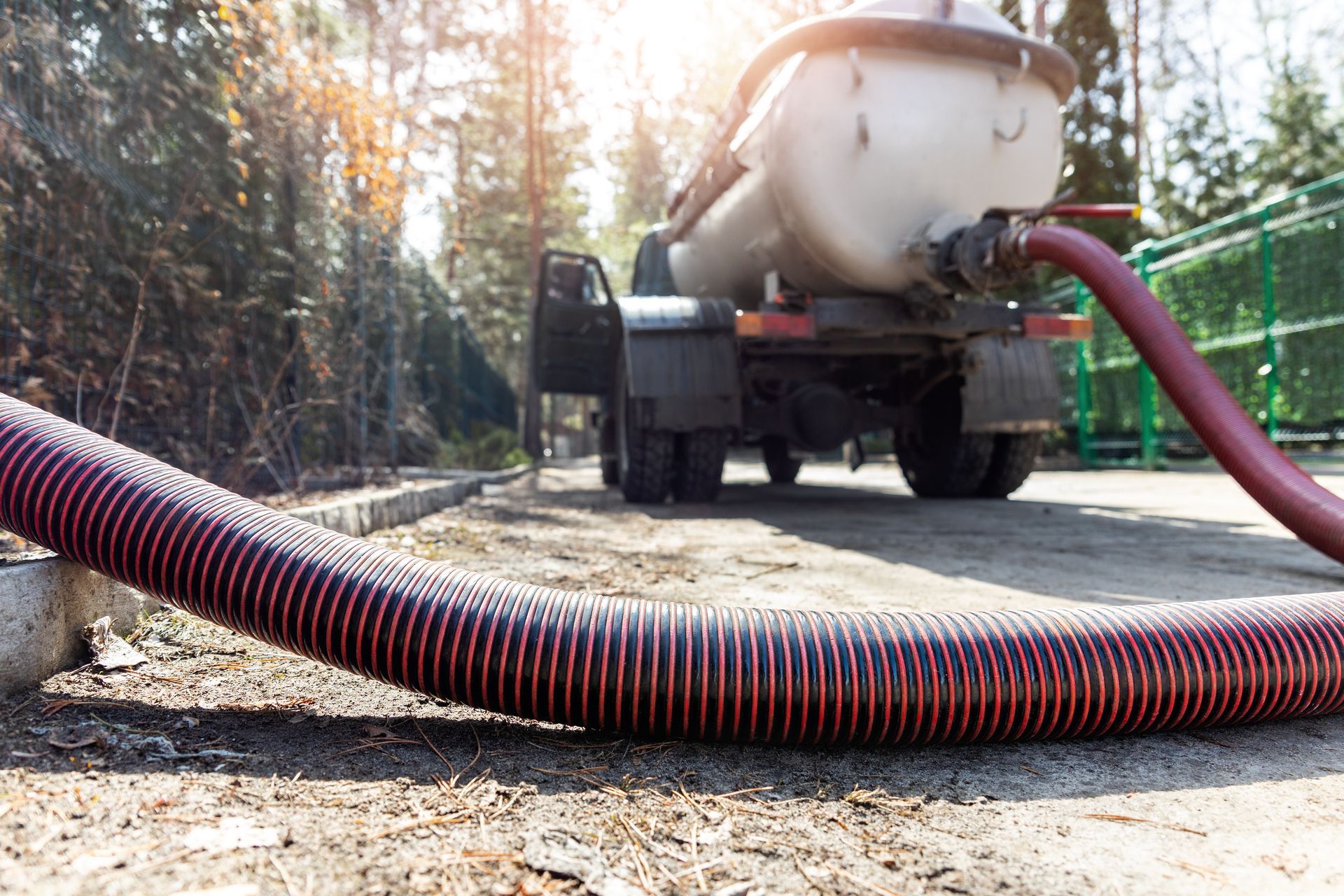
Pumping removes accumulated solids from the bottom of your tank and scum from the surface, preventing these materials from entering your drain field where they cause permanent soil clogging. The process involves locating and uncovering tank access lids, inserting a high-volume vacuum hose, extracting all waste and liquids, and inspecting the tank interior for structural damage or failing baffles that could lead to system problems.
Schedule a septic tank pumping appointment to assess your current waste levels and pumping needs.
What Happens When Waste Levels Drop
Proper septic tank pumping restores the separation zone your system needs to function correctly. Septic tanks work by allowing solids to settle to the bottom while lighter materials float to the top, leaving a middle zone of relatively clear effluent that flows to your drain field. When sludge and scum layers grow too thick, this separation zone shrinks and eventually disappears, forcing solid waste particles into your drain field where they plug soil pores and create permanent damage.
After pumping, you'll notice drains operate at normal speed again, odors from vents or yard areas disappear, and toilets flush without hesitation or gurgling sounds. The restored separation zone gives bacteria room to break down new waste, and your drain field receives only the clarified liquid it was designed to handle. Properties in Ulm with high groundwater or clay soils particularly benefit from maintaining proper waste levels, since these conditions already stress drain field absorption capacity.
Routine pumping also gives technicians the opportunity to measure sludge depth, check baffle condition, and identify cracks or corrosion before they escalate into expensive tank replacement or environmental contamination issues. Tanks pumped on schedule typically last decades longer than neglected systems, and drain fields avoid the soil failure that leads to costly replacement installations.
Questions Property Owners Ask About Pumping
Septic systems in Montana face unique challenges from freeze-thaw cycles, seasonal water table changes, and rural property layouts that affect service access and timing decisions.
How do I know when my septic tank actually needs pumping?
You'll notice slow drains throughout the building, sewage odors near the tank or drain field, unusually green grass over the drain field, or gurgling sounds when water drains. Measuring sludge depth during an inspection provides the definitive answer, with pumping recommended when solids occupy more than one-third of the tank volume.
What does septic tank pumping include beyond just removing waste?
The service includes locating and uncovering tank access lids if buried, extracting all solids and liquids with a vacuum truck, hosing down tank walls to remove clinging waste, inspecting baffles and dividers for damage, checking for cracks or leaks, and recording sludge levels to help predict your next pumping interval.
Why do some Ulm properties need more frequent pumping than others?
Household size directly affects waste generation, with larger families producing more solids that accumulate faster. Garbage disposal use adds significant organic material that increases sludge buildup. Undersized tanks for current occupancy, water softener discharge into the septic system, and lack of bacteria activity in cold months all accelerate the need for pumping.
When should I schedule pumping to avoid winter access problems?
Late summer through early fall provides the best conditions in Montana for septic work, with dry ground for truck access, lower water tables, and time to address any discovered issues before frozen ground prevents repairs. Spring pumping works if access routes are firm, but saturated soils and high groundwater can complicate tank work.
What happens if I wait too long between pumping services?
Excessive sludge eventually flows into your drain field, clogging soil pores in a process called biomat failure that cannot be reversed by pumping alone. You'll face drain field replacement costs ranging into tens of thousands of dollars, compared to routine pumping that protects your original system investment.
Flush Away Septic Service provides septic tank pumping throughout Ulm and surrounding Montana communities, with truck access to rural properties and scheduling that accommodates residential and commercial maintenance needs. Request a pumping appointment to maintain your system before waste buildup creates emergency repair costs.