
Infrastructure Built for Decades of Service
Septic Tank Installation in Ulm for new construction, system replacement, and property development projects
Proper septic tank sizing and placement determine whether your wastewater system functions reliably for decades or causes recurring problems from the day it's installed. Flush Away Septic Service handles septic tank installation in Ulm for new home construction, failed tank replacement, and property upgrades where existing systems no longer meet capacity needs or code requirements. Installation requires coordinating excavation depth with groundwater levels, selecting tank size based on occupancy and daily water use, positioning tanks to allow gravity flow while maintaining required setbacks from wells and property lines, and ensuring lids remain accessible for future maintenance without compromising landscaping or structures.
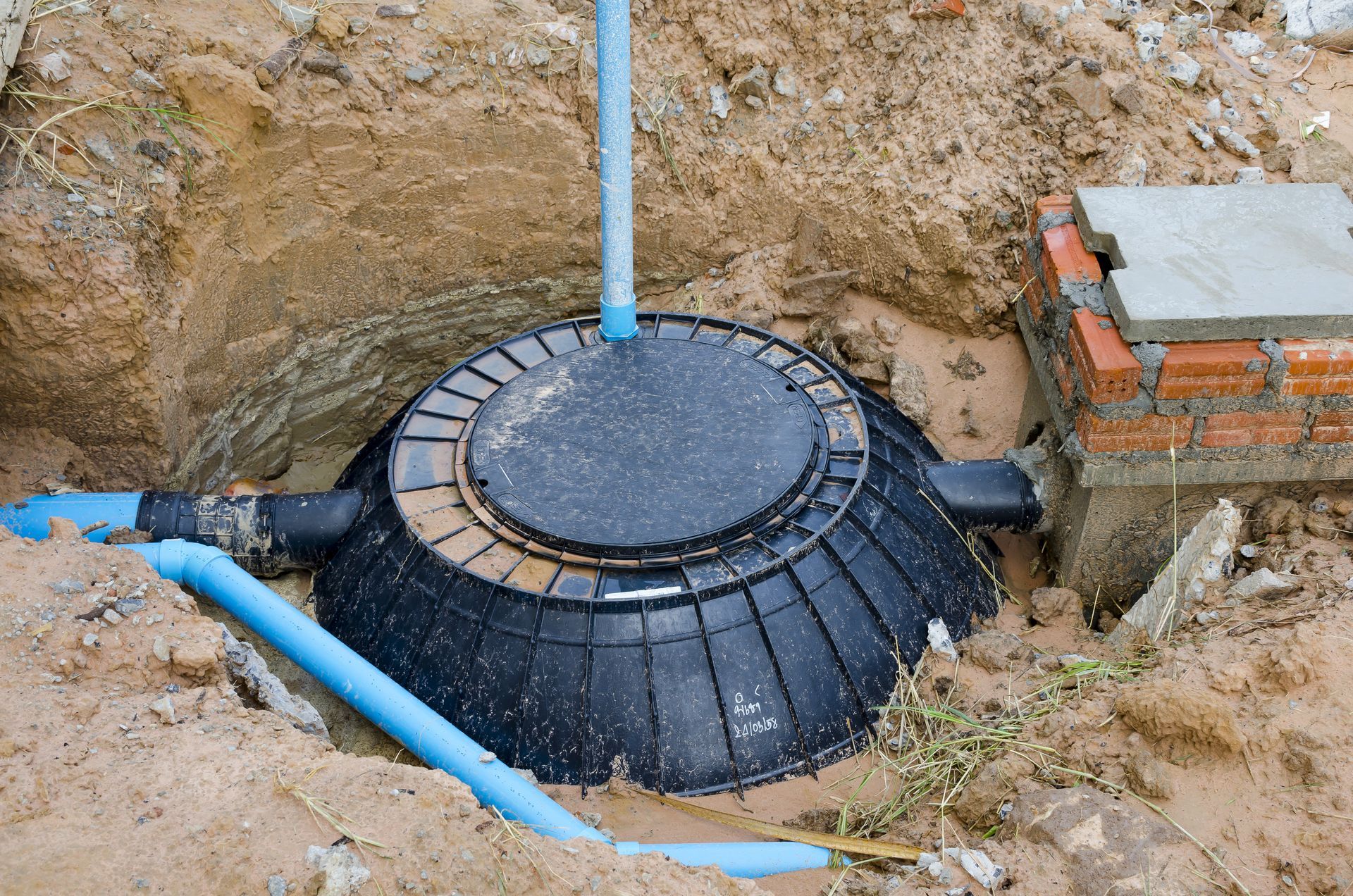
The work involves site excavation to proper depth and dimensions, preparing a level gravel or sand base that prevents settling, setting tanks with inlet and outlet elevations that match your building's sewer line and drain field inlet, backfilling with suitable material that won't stress tank walls, and installing risers that bring access points to grade for service access. Tank installation quality directly affects every aspect of system performance, since improper installation creates problems that persist throughout the system's life.
Request a septic tank installation consultation to review site conditions and system requirements for your property.
Why Installation Details Determine System Longevity
Tank sizing calculations account for bedroom count, fixture units, and expected daily wastewater volume to ensure adequate retention time for solids settling. Undersized tanks require frequent pumping and send poorly treated effluent to drain fields, while oversized tanks cost more initially but provide buffer capacity for guests, water-intensive activities, and future household changes. Most residential installations in Montana use thousand to fifteen-hundred-gallon concrete tanks for three to five bedroom homes, with commercial projects requiring engineering calculations based on specific usage patterns.
You'll notice properly installed systems operate without attention between maintenance intervals, with drains flowing freely and no odors or wet areas indicating malfunction. The tank remains stable without settling or shifting that stresses inlet and outlet connections, access risers stay aligned for easy pumping service, and the installation's elevation relationships ensure gravity flow without pump assistance. Flush Away Septic Service coordinates tank installation with drain field construction, ensuring the complete system works as an integrated unit rather than separate components installed without regard for total system function.
Installation also establishes the maintenance accessibility that determines service costs throughout the system's life. Tanks installed with grade-level risers allow pumping without digging, reducing service costs and making routine maintenance more likely. Proper documentation of tank location and system layout helps future service providers and property owners locate components quickly. The initial installation investment includes these long-term functionality considerations rather than just meeting minimum code requirements.
Installation Questions From Property Owners
Septic tank installation involves decisions about sizing, placement, and construction standards that affect system performance and property value for decades after the work is completed.
What determines the right septic tank size for my property?
Montana regulations base minimum tank size on bedroom count, typically requiring a thousand gallons for three bedrooms or fewer, and additional capacity for larger homes. Actual sizing should consider household occupancy, water-intensive fixtures like jetted tubs, and whether garbage disposals will be used, since these factors increase solids generation beyond code minimums.
How does excavation quality affect long-term tank performance?
The tank must sit on undisturbed soil or properly compacted base material that supports weight without settling. Uneven settling cracks concrete tanks, stresses inlet and outlet connections until they leak, and creates low spots where solids accumulate unevenly. Excavation in Ulm's clay soils requires attention to sidewall stability and proper dewatering if groundwater is encountered.
What installation details matter most for Montana's climate?
Adequate soil cover over the tank prevents freeze damage to the concrete and maintains the temperature that keeps bacterial action functioning through winter. Riser installations must be watertight to prevent groundwater infiltration during spring runoff. Tank placement should account for snow removal patterns and equipment access for future pumping service.
Why does septic tank installation require experienced contractors?
Tank installation involves coordinating with drain field placement, ensuring proper elevations for gravity flow, interpreting soil conditions during excavation, making judgment calls about base preparation, and understanding code requirements for setbacks and system design. Poor installation decisions create permanent problems that cannot be corrected without reinstalling the system.
When should tank installation happen relative to other construction activities?
Septic installation typically occurs after foundation work establishes building elevation and sewer line depth, but before final grading and landscaping. This timing allows excavation access while protecting completed tank installation from damage by other construction equipment and activities.
Flush Away Septic Service provides complete septic tank installation throughout Ulm and surrounding areas, with excavation capabilities and experience in Montana soil conditions and regulatory requirements. Schedule an installation consultation to discuss your property's septic system needs and site-specific considerations.