
Soil Treatment Systems That Actually Absorb
Drain Field Installation in Ulm for system replacements, new construction, and failing drain field situations
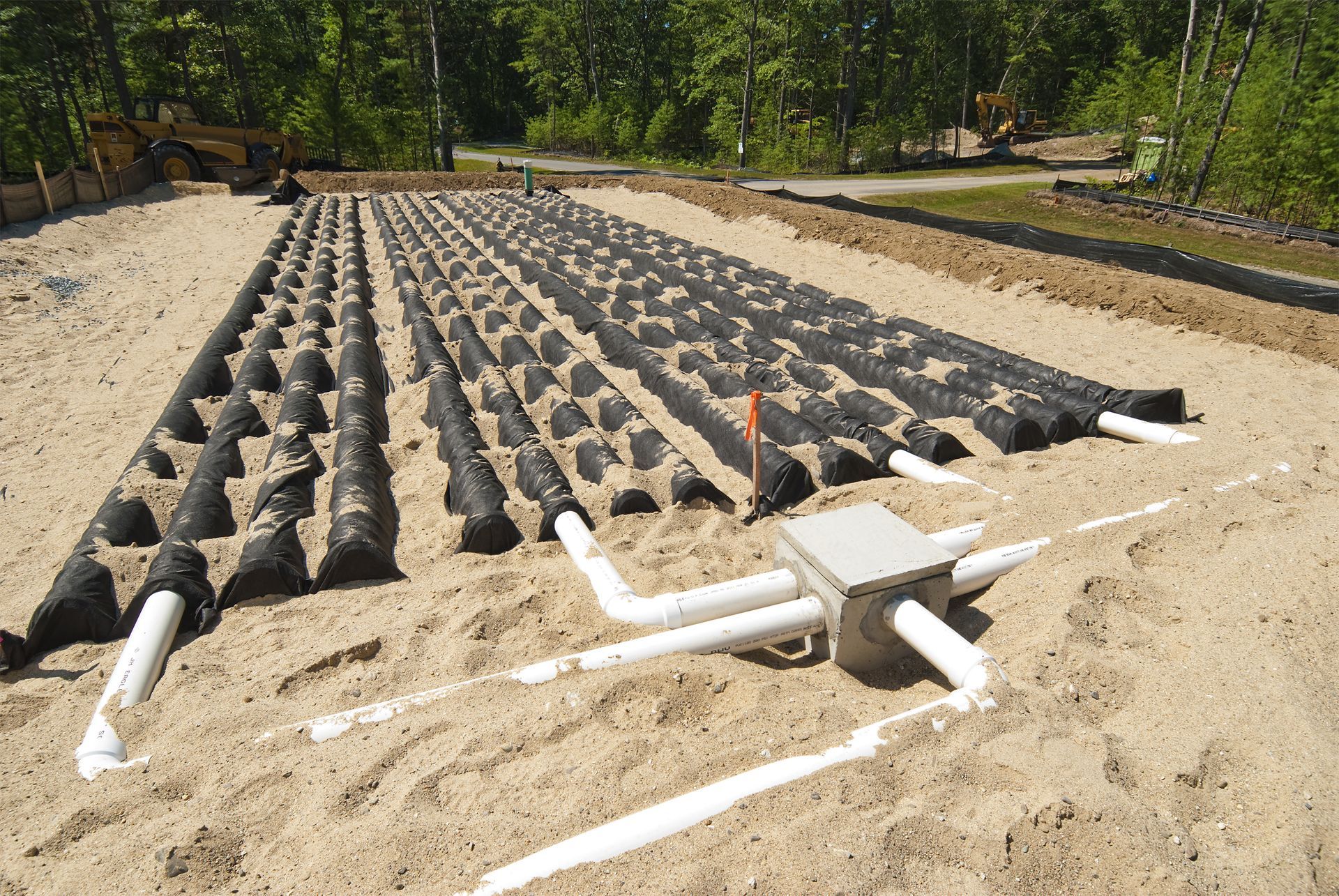
Montana's clay soils and seasonal water tables create drain field challenges that determine whether septic systems function reliably or fail within years of installation. Drain fields process the liquid effluent leaving your septic tank by distributing it through perforated pipes into gravel-filled trenches where soil bacteria complete the final treatment as wastewater percolates downward. Flush Away Septic Service installs drain fields in Ulm for new septic systems, replacement of failed fields where sewage surfaces in the yard or backs up into buildings, and property expansions where existing drain field capacity no longer handles increased wastewater volumes. Installation requires percolation testing to confirm soil absorption rates, designing layout and sizing based on soil type and daily wastewater volume, excavating trenches to proper depth while avoiding groundwater and restrictive soil layers, and constructing the aggregate and pipe system that distributes effluent for treatment.
The quality of drain field installation determines your entire system's longevity, since tanks and pipes simply transport waste while the drain field performs the actual treatment and disposal. Poor installation leads to surfacing sewage, groundwater contamination, and complete system replacement within a few years. Proper installation provides decades of trouble-free operation with only routine tank maintenance required.
Arrange a drain field installation assessment to evaluate soil conditions and system requirements for your property.
How Drain Field Construction Affects Performance
Drain field installation begins with percolation testing that measures how quickly water moves through your soil, determining the absorption area required for your daily wastewater volume. Clay soils common around Ulm absorb slowly, requiring larger drain fields than sandy soils would need for the same house. Trench layout must account for setbacks from wells, property lines, and surface water while avoiding areas where groundwater rises seasonally. Excavation depth balances being deep enough for adequate unsaturated soil treatment yet shallow enough to stay above restrictive clay layers or seasonal water tables that prevent absorption.
After installation, properly designed drain fields operate invisibly with effluent absorbing completely into surrounding soil, grass growing normally over trenches without the dark green color that indicates surfacing sewage, and no odors or wet spots appearing even during heavy household water use. The system handles daily wastewater flows without backup because distribution pipes spread effluent evenly across adequate absorption area, and aggregate surrounding the pipes maintains the air spaces that soil bacteria need to break down waste. Flush Away Septic Service sizes and constructs drain fields based on actual site conditions rather than minimum code requirements, providing the performance margin that prevents premature failure.
Installation also establishes the repair options available if problems develop years later. Systems installed with separate distribution lines allow individual trench replacement if needed, while single-pipe designs require complete field reconstruction for any repair. Proper documentation of trench locations helps future service providers locate components without destructive excavation across your entire yard.
Drain Field Questions Property Owners Ask
Drain field installation involves site evaluation, design decisions, and construction standards that determine whether your septic system investment provides reliable service or creates recurring problems and premature replacement costs.
What signs indicate my existing drain field needs replacement rather than just tank pumping?
Sewage or effluent surfacing over the drain field area, persistently soggy ground above trenches, sewage odors outdoors near the drain field, or sewage backing up into the building even after the tank is pumped all indicate drain field failure. Once soil pores clog from years of solids accumulation, pumping the tank cannot restore drain field function.
How does soil type in Ulm affect drain field size and design?
Clay soils absorb water slowly, requiring larger drain field areas than sandier soils would need for the same house. Percolation testing measures actual absorption rates at your specific site, and drain field sizing calculations use these results to determine required trench length. Sites with very slow percolation may require engineered systems with sand filters or mound designs.
Why does proper drain field installation cost significantly more than basic excavation work?
Installation requires percolation testing, engineering calculations for sizing, precise grade control during excavation, specific aggregate types and placement, careful pipe positioning to ensure even distribution, protection of excavated sidewalls from smearing that reduces absorption, and construction sequencing that prevents soil compaction from equipment traffic.
What installation factors most affect drain field longevity in Montana conditions?
Adequate depth above seasonal high water tables prevents effluent from having nowhere to go during wet periods. Proper aggregate sizing maintains the void spaces that prevent soil clogging. Even distribution across all trenches prevents overloading specific areas while others remain unused. Protection from surface water runoff prevents external saturation that overwhelms the field.
When is the best time for drain field installation work?
Late summer through early fall provides dry soil conditions for excavation, low water tables that reveal true site drainage characteristics, and firm ground for equipment access without causing compaction damage. Spring installation risks encountering high groundwater and working in saturated soils that compromise construction quality.
Flush Away Septic Service provides complete drain field installation services throughout Ulm, handling everything from percolation testing through final construction and system startup for residential and commercial septic projects. Contact us to schedule a site evaluation for your drain field installation or replacement needs.