
Commercial Kitchens That Stay Compliant and Operational
Grease Trap Pumping in Ulm for restaurants, kitchens, and food-service businesses facing grease buildup and drainage slowdowns
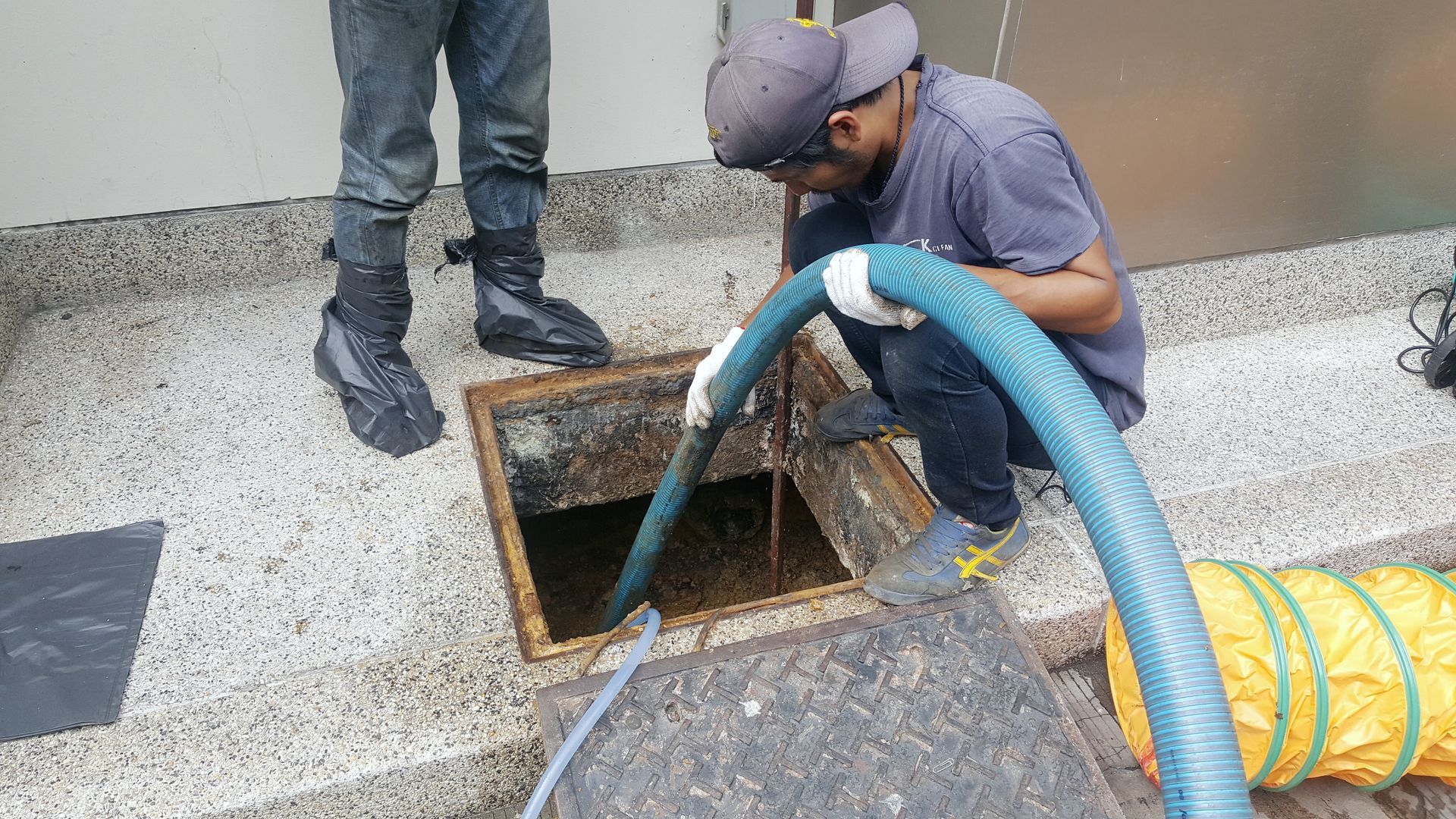
Grease accumulates in trap systems faster than most food-service operators expect, forming layers that restrict wastewater flow and create conditions for backups, foul odors, and health code violations. Flush Away Septic Service provides grease trap pumping in Ulm for restaurants, commercial kitchens, and food-service facilities that depend on consistent wastewater management to maintain operations. The process removes accumulated fats, oils, grease, and solids from the trap chamber before buildup reaches levels that interfere with drainage or violate local sanitation codes.
Grease trap pumping involves extracting all contents from the trap, including floating grease layers and settled solids, then disposing of the material according to wastewater regulations. Traps in high-volume kitchens require more frequent service because grease enters the system continuously during food preparation and dishwashing. Skipping scheduled pumping allows grease to harden inside the trap and pipes, leading to blockages that force wastewater back into sinks and floor drains.
Schedule a grease trap pumping appointment to prevent buildup from disrupting kitchen operations.
Why Regular Pumping Prevents Larger Problems
Grease trap systems function by slowing wastewater flow enough for fats and oils to cool, separate, and float to the surface while solids settle to the bottom. Over time, these layers thicken and reduce the trap's effective capacity. When the trap fills beyond its design threshold, grease begins passing through into the drain line, where it cools further and hardens into blockages that require costly plumbing intervention.
After pumping is completed, drains move freely again, odors from decomposing grease disappear, and the risk of a surprise backup during peak service hours drops to near zero. The trap is reset to its full capacity, allowing it to function as designed until the next scheduled service. Routine pumping also reduces the likelihood of fines or closure orders resulting from health department inspections.
Scheduled maintenance plans allow restaurants to set recurring service intervals based on actual kitchen volume rather than reacting to problems after they occur. Pumping frequency depends on trap size, daily meal output, and the types of food being prepared. Facilities that handle large amounts of fried foods or heavy sauces typically require more frequent service than operations focused on lighter menu items.
Answers to Common Grease Trap Questions
Business owners managing commercial kitchens often ask about service timing, compliance requirements, and how to prevent grease-related issues between visits.
How often should grease traps be pumped in Ulm?
Most commercial kitchens require pumping every four to eight weeks, depending on trap size and kitchen volume. High-output restaurants may need service every two to three weeks, while smaller operations with lower grease loads can extend intervals to two or three months. Local codes may specify maximum fill percentages that trigger mandatory pumping.
What happens if a grease trap is not pumped regularly?
Grease overflows into the drain line and hardens as it cools, creating blockages that back up into sinks, floor drains, and prep areas. The trap also produces stronger odors as organic material decomposes, and health inspectors may issue violations or temporary closures if the trap exceeds allowable fill levels during inspection.
How long does grease trap pumping take?
Most standard trap pumping jobs are completed in thirty to sixty minutes, depending on trap size and access conditions. The service is typically scheduled during off-peak hours to avoid disrupting kitchen operations.
Why does grease trap service matter for compliance?
Health departments and wastewater authorities enforce grease trap maintenance as part of sanitation and environmental protection regulations. Facilities that fail to maintain proper pumping schedules face fines, mandatory reinspections, and potential closure until compliance is restored.
Can grease traps be cleaned instead of pumped?
Pumping and cleaning are often performed together. Pumping removes the bulk of the grease and solids, while cleaning involves scrubbing trap walls and baffles to remove adhered residue. Both steps are necessary to restore full trap capacity and function.
Flush Away Septic Service schedules grease trap pumping based on your kitchen's actual usage patterns and regulatory requirements, helping food-service businesses stay compliant without unexpected service interruptions. Contact the office to arrange recurring grease trap pumping service for your commercial kitchen.