
Traps That Work Instead of Clog
Grease Trap Cleaning in Ulm for commercial kitchens requiring sanitation, odor control, and drainage reliability
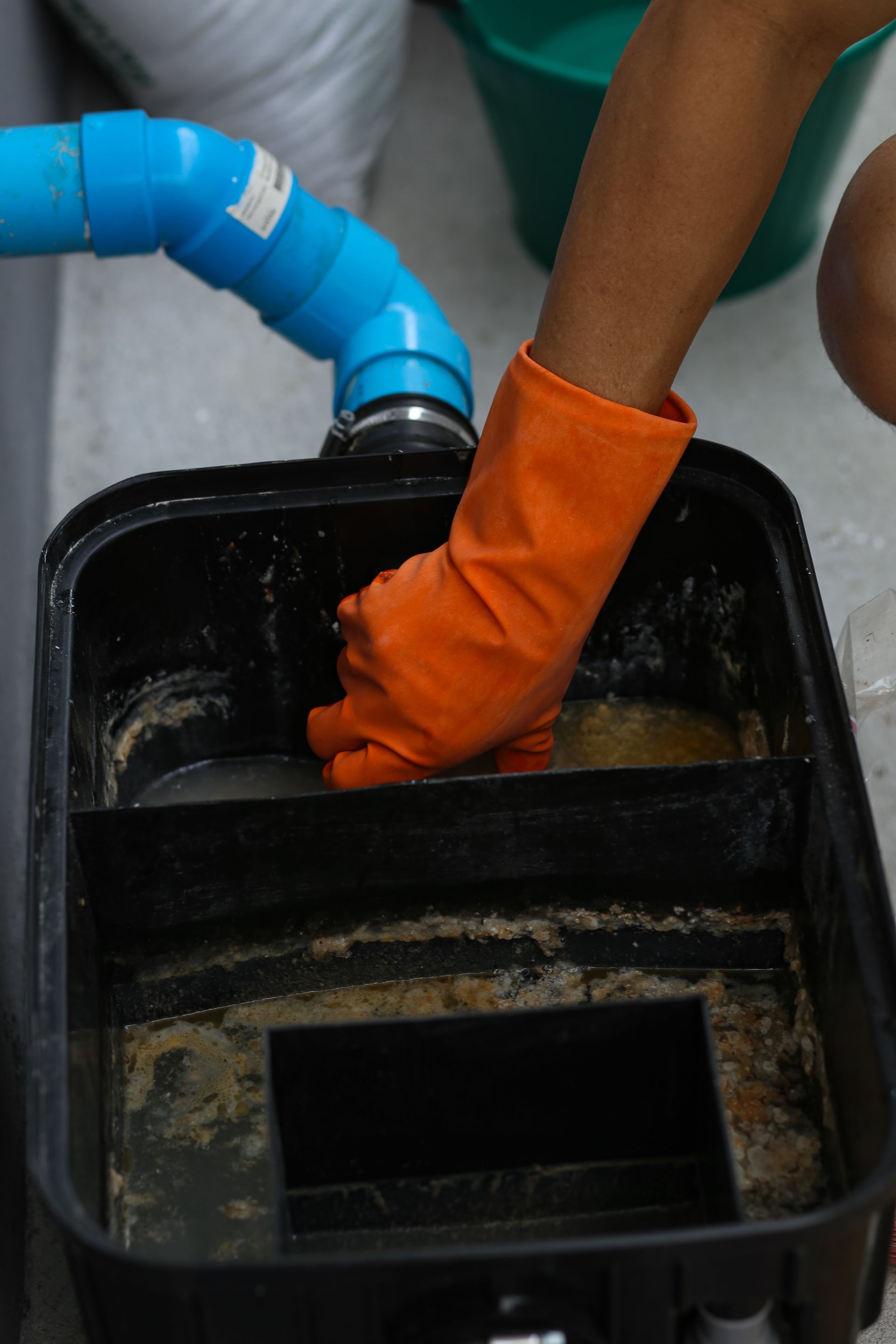
Grease trap performance declines as residue builds on trap walls, baffles, and inlet pipes, creating conditions where even a recently pumped trap begins to smell or drain slowly within days. Flush Away Septic Service provides grease trap cleaning in Ulm for restaurants and food-service operations that need more than liquid removal. Cleaning involves scrubbing interior surfaces to remove hardened grease, scraping baffles to restore proper flow separation, and flushing inlet and outlet pipes to eliminate blockages that pumping alone does not address.
The distinction between pumping and cleaning matters because grease adheres to surfaces in layers that harden over time, particularly in traps that operate at high temperatures or handle large volumes of animal fats. Pumping extracts the liquid and floating grease, but it leaves behind a film that continues to thicken with each use. Cleaning removes that residue and resets the trap to a condition closer to new installation.
Request grease trap cleaning service to address persistent odors or slow drainage that pumping has not resolved.
How Cleaning Extends Trap Function and Reduces Emergency Calls
Grease trap cleaning targets the residue that pumping misses. A high-pressure wash or manual scrubbing removes buildup from trap walls, while baffle cleaning restores the flow control that prevents grease from passing directly into the drain line. Inlet and outlet pipe flushing clears partial blockages that slow wastewater movement and contribute to backup risk during peak kitchen hours.
Once cleaning is finished, odors caused by decomposing organic material disappear, drains operate at full speed again, and the trap maintains its capacity for a longer period between services. Kitchens that incorporate regular cleaning into their maintenance schedules report fewer emergency service calls and more predictable trap performance. The interval between cleanings depends on menu type, cooking methods, and how much grease enters the system daily.
Cleaning also reduces the likelihood of health code violations during inspections, as traps that are visibly clean and free of heavy residue demonstrate proper maintenance practices. Some jurisdictions require documentation of both pumping and cleaning as part of food-service operating permits.
What Business Operators Want to Know
Food-service managers often ask how cleaning differs from standard pumping and when to schedule it as part of their maintenance routine.
What is the difference between grease trap pumping and cleaning?
Pumping removes the liquid grease and solids from inside the trap, while cleaning involves scrubbing the trap walls, baffles, and pipes to remove adhered residue that pumping cannot extract. Both services are necessary to maintain trap performance and sanitation over time.
How often should grease traps be cleaned in Ulm?
Most commercial kitchens benefit from a thorough cleaning every three to six months, depending on trap size and kitchen volume. Facilities with heavy grease loads or older traps may require more frequent cleaning to prevent residue from hardening into blockages.
Why do grease traps still smell after pumping?
Odors often come from residue left on trap walls and baffles after pumping. This material continues to decompose and produce odors even after the bulk of the grease is removed. Cleaning eliminates the source of the smell by removing all organic buildup.
What does grease trap cleaning involve?
The process includes pumping out the trap contents, scrubbing interior surfaces with brushes or high-pressure water, scraping baffles to restore separation function, and flushing inlet and outlet pipes to clear partial blockages. The trap is then inspected to confirm all residue has been removed.
Can cleaning reduce the frequency of pumping?
In some cases, yes. A thoroughly cleaned trap operates more efficiently and maintains capacity longer, which can extend the interval between pumping services. However, pumping frequency is primarily determined by how much grease enters the system and should not be reduced below regulatory minimums.
Flush Away Septic Service combines pumping and cleaning to deliver grease trap maintenance that addresses both immediate capacity issues and long-term performance. Business owners in Ulm can schedule grease trap cleaning service by calling the office to arrange an appointment based on current trap condition and operational needs.